💡 Want a Different Perspective?
Choose your reading style below for a customized version:
Short Answer: Yes, hybrid cars absolutely save fuel. Modern hybrids typically achieve 40-60% better fuel economy than their gas only counterparts, with many models exceeding 50 MPG in combined city and highway driving. But the real question isn't whether they save fuel, it's whether they'll save you money, and that depends on several factors we'll explore in this guide.
What Makes Hybrid Cars More Fuel Efficient?
Hybrid vehicles combine a traditional internal combustion engine with an electric motor and battery system. This dual powertrain setup allows hybrids to overcome the biggest inefficiencies of gas only cars through three key technologies.
Regenerative Braking: Capturing Wasted Energy
In a conventional car, braking converts your vehicle's kinetic energy into heat through friction energy that's completely wasted. Hybrids use regenerative braking to capture this energy instead. When you press the brake pedal, the electric motor runs in reverse, acting as a generator. This slows the car while simultaneously converting that kinetic energy into electricity, which gets stored in the battery for later use.
In stop-and-go city driving with frequent braking, regenerative braking can recover 60-70% of the energy that would otherwise be lost. This is the primary reason hybrids show such dramatic fuel economy improvements in urban environments compared to highway driving.
Engine Optimization and Power Splitting
Internal combustion engines operate most efficiently at specific RPMs and load levels typically around 2,000-3,000 RPM under moderate acceleration. The problem is that normal driving constantly forces the engine outside this optimal range, whether you're idling at a stoplight or accelerating onto a highway.
Hybrid systems solve this through power splitting. The gasoline engine can run in its most efficient zone while the electric motor fills in the gaps. Need extra power for quick acceleration? The electric motor provides instant torque. Cruising at steady highway speeds? The gas engine handles it efficiently while the electric system rests or recharges.
Electric-Only Operation and Engine Shutoff
Many hybrids can operate on electric power alone at low speeds, typically up to 25-40 mph depending on the model. During this time, the gas engine shuts off completely, consuming zero fuel. Even when you're stopped at a red light, the engine turns off a feature called auto start-stop that prevents fuel waste during idling.
This capability is why hybrids excel in city driving. A typical urban commute involves lots of time at low speeds, frequent stops, and constant acceleration exactly the conditions where electric operation shines and regenerative braking can recover the most energy.
Real-World Fuel Economy Numbers
Let's look at actual EPA fuel economy ratings to see how much hybrids save compared to their gas-only equivalents:
Honda Accord
Gas: 29 MPG combined
Hybrid: 48 MPG combined
Improvement: 66% better
Toyota Camry
Gas: 32 MPG combined
Hybrid: 52 MPG combined
Improvement: 63% better
Hyundai Tucson
Gas: 26 MPG combined
Hybrid: 38 MPG combined
Improvement: 46% better
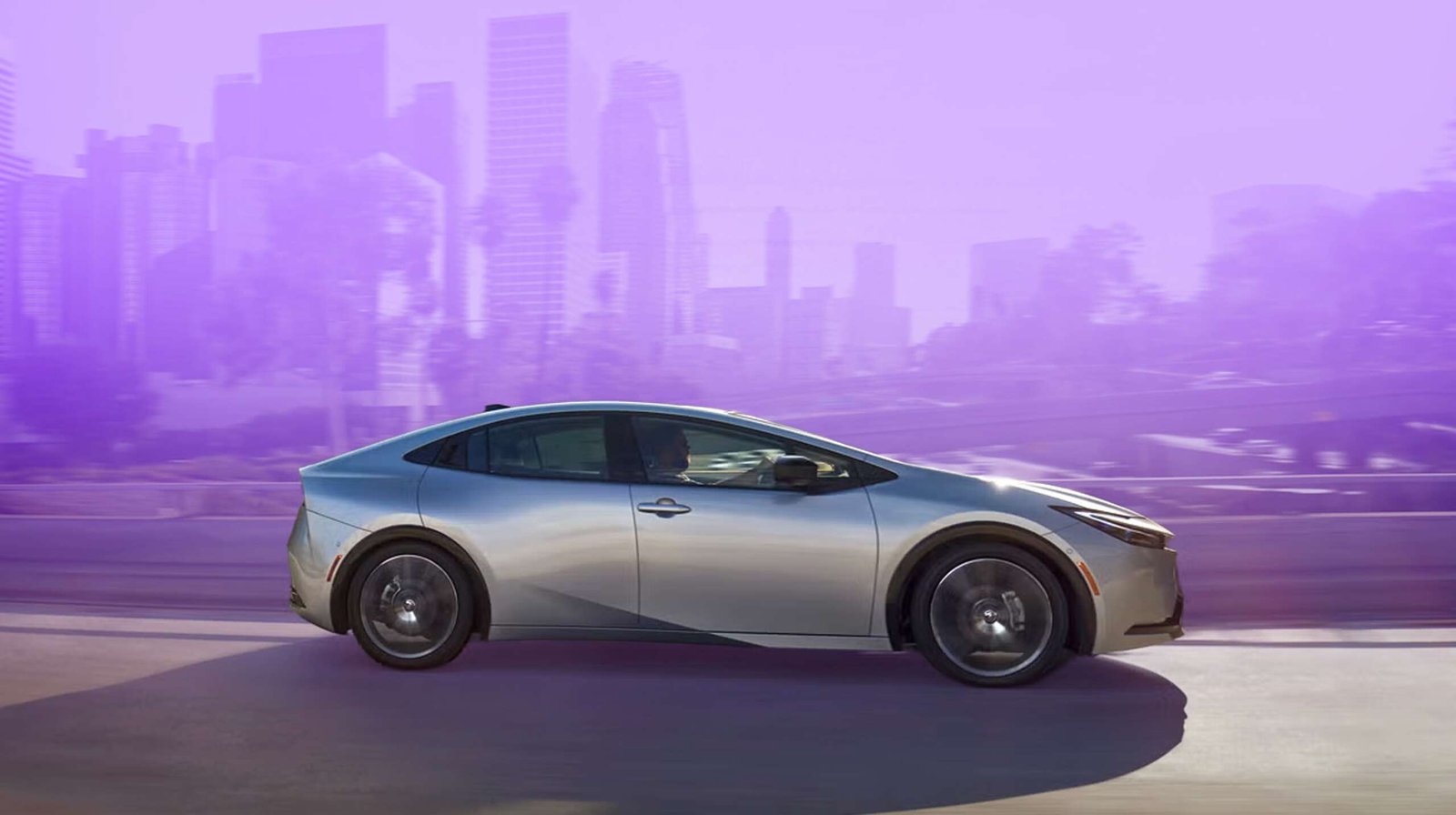
The Toyota Prius, the iconic hybrid, achieves an impressive 57 MPG combined. For comparison, the average new gas-powered car in 2025 gets around 28-30 MPG combined. That means a Prius uses nearly half the fuel of an average vehicle.
City vs Highway: Where Hybrids Really Shine
Interestingly, hybrids show their biggest advantages in city driving rather than highway cruising. The Toyota Camry Hybrid, for example, gets 51 MPG city but "only" 53 MPG highway and actually beats its own highway rating in city conditions.
Why? Because highway driving involves steady speeds where conventional engines already operate efficiently, with minimal braking opportunities for energy recovery. City driving, on the other hand, is where gas engines struggle most constant stop and go, lots of idling, and frequent acceleration from a standstill. This is precisely where hybrid technology excels.
Do Hybrids Actually Save You Money?
Fuel savings are impressive, but hybrids cost more upfront than comparable gas vehicles. Whether you'll save money overall depends on several factors: how much you drive, how long you keep the car, and what gas costs in your area.
The Hybrid Premium: What You'll Pay Extra
Most hybrid models cost between $2,500 and $5,000 more than their gas only equivalents. For example, a 2025 Honda Civic starts around $25,000, while the Civic Hybrid starts around $28,000 - $3,000 premium.
This upfront cost is the main barrier to hybrid ownership. To determine if it makes financial sense, you need to calculate how long it takes to recoup that premium through fuel savings.
Break-Even Analysis: When Do You Start Saving?
Let's work through a real example. Assume you're comparing a gas car that gets 30 MPG to a hybrid that gets 50 MPG, with a $3,000 hybrid premium and $3.50/gallon gas:
Driving 12,000 miles per year:
- Gas car: 400 gallons used = $1,400/year
- Hybrid: 240 gallons used = $840/year
- Annual savings: $560
- Break-even point: 5.4 years or 64,800 miles
If you drive more miles annually, you reach the break-even point faster. At 15,000 miles per year with the same parameters, you'd break even in just 4.3 years. Similarly, higher gas prices accelerate your savings.
Long-Term Cost Considerations
Maintenance: Hybrids actually have lower maintenance costs in some areas. Brake pads last two to three times longer than in conventional cars due to regenerative braking doing most of the work. However, insurance premiums can be 5-10% higher due to more expensive components.
Battery Replacement: This is the biggest concern for potential hybrid buyers. Hybrid batteries typically come with warranties of 8-10 years or 100,000 miles. Replacement costs range from $2,000 to $4,000. However, real-world data shows many hybrid batteries lasting well beyond 200,000 miles without replacement.
Resale Value: Hybrids tend to hold their value better than gas equivalents, particularly in regions with high fuel costs or strong environmental awareness. A well-maintained hybrid from a reputable brand like Toyota or Honda can command a premium on the used market.
Types of Hybrid Systems Explained
Not all hybrids work the same way. Understanding the different hybrid systems can help you choose the right one for your needs.
Parallel Hybrid (Honda IMA, Hyundai/Kia Systems)
In a parallel hybrid, both the gas engine and electric motor can drive the wheels independently or together. The electric motor is essentially a powerful assistant that helps the gas engine during acceleration and powers the car alone at low speeds. This is a simpler, more affordable hybrid system, though generally less efficient than more complex designs.
Series-Parallel Hybrid (Toyota HSD, Ford Power-Split)
Often called a "power-split" hybrid, this system can operate in series mode (engine generates electricity, motor drives wheels), parallel mode (both engine and motor drive wheels), or a combination of both. This flexibility allows the vehicle to always operate in the most efficient mode for current conditions.
Toyota's Hybrid Synergy Drive uses this approach, which is why the Prius achieves such impressive fuel economy. The system includes a planetary gear set that seamlessly blends power from the engine and motor while allowing infinite variation between series and parallel operation.
Plug-In Hybrid (PHEV)
Plug-in hybrids have larger batteries that can be charged from an external power source. They offer 20-50 miles of all-electric range before the gas engine kicks in, making them ideal for drivers with short daily commutes who can charge at home or work.
If your daily driving stays within the electric range, you might go weeks between gas station visits. But you still have the gas engine as backup for longer trips, eliminating the range anxiety associated with pure electric vehicles.
When Should You Buy a Hybrid?
Hybrids aren't the right choice for everyone. Here's when they make the most sense:
You're a good candidate for a hybrid if:
- You drive 12,000+ miles annually
- At least 50% of your driving is city or suburban (not highway)
- You plan to keep the vehicle for 5+ years
- Gas prices in your area are $3.50/gallon or higher
- You value lower emissions beyond just cost savings
- You have a long commute with heavy traffic
You might want to skip hybrids if:
- You drive primarily highway miles (75%+ highway driving)
- You drive fewer than 8,000 miles per year
- You typically trade vehicles every 3-4 years
- The hybrid premium strains your budget
- You need maximum cargo space or towing capacity
Common Hybrid Myths Debunked
Myth: "Hybrids are slow and boring to drive"
Reality: Modern hybrids often accelerate faster than their gas equivalents due to instant torque from electric motors. The Honda Accord Hybrid produces 204 horsepower and accelerates from 0-60 mph in under 7 seconds quicker than the base gas model. Even the Prius isn't as sluggish as its reputation suggests, though performance focused drivers might still prefer other options.
Myth: "The battery will die after a few years and cost thousands to replace"
Reality: While battery replacement is expensive ($2,000-$4,000), failures within the warranty period are rare, and many batteries last the life of the vehicle. Toyota has sold millions of Priuses since 2000, and real-world data shows most original batteries still functioning after 200,000+ miles. Battery management systems carefully control charging to maximize longevity.
Myth: "You have to plug in hybrids to charge them"
Reality: Regular hybrids (HEV) charge their batteries through regenerative braking and the gas engine no external charging required. Only plug-in hybrids (PHEV) have the option to charge from an outlet, and even those will still operate normally if you never plug them in (though you'll miss out on the fuel savings from electric only operation).
Myth: "Hybrids don't help the environment because of battery manufacturing"
Reality: Comprehensive lifecycle analyses show hybrids have lower total environmental impact than gas cars, even accounting for battery production. The emissions saved during years of operation significantly outweigh the manufacturing footprint. A hybrid typically breaks even on manufacturing emissions within 6-18 months of driving.
Hybrid Reliability: What the Data Shows
One of the biggest concerns about hybrid vehicles is long-term reliability. The good news is that hybrids from major manufacturers have proven extremely reliable.
Toyota and Lexus hybrids consistently rank among the most reliable vehicles in consumer surveys. The Prius, in particular, has a track record spanning over two decades with minimal issues. Honda's hybrid systems have also proven dependable. Consumer Reports data shows hybrids are no less reliable than conventional vehicles, and in some cases more reliable due to reduced wear on certain components.
The electric motor actually reduces stress on the gas engine by assisting with acceleration and allowing the engine to shut off frequently. Regenerative braking means conventional brake components wear more slowly. These factors often result in lower maintenance costs over the vehicle's lifetime.
The Future of Hybrid Technology
As we move toward 2025 and beyond, hybrid technology continues to evolve. Battery energy density improves each year, allowing for smaller, lighter, and more affordable battery packs. New thermal management systems improve efficiency in extreme weather. Advanced predictive software uses GPS data to optimize power delivery based on upcoming terrain and traffic conditions.
Many automakers view hybrids as a bridge technology to full electrification, but they're likely to remain relevant for years to come. They offer the environmental benefits and fuel economy of electric vehicles without range anxiety or charging infrastructure concerns. For many drivers, particularly those in areas with limited charging availability, hybrids represent the sweet spot between conventional and electric vehicles.
The Bottom Line: Do Hybrids Really Save Fuel?
The answer is an unequivocal yes. Hybrids deliver 40-60% better fuel economy than comparable gas vehicles through proven technology that recaptures wasted energy, optimizes engine operation, and uses electric power for low-speed driving.
But saving fuel doesn't automatically mean saving money. Whether a hybrid makes financial sense depends on your specific situation how many miles you drive, what percentage is city vs highway, how long you keep vehicles, and local gas prices.
If you drive frequently in urban or suburban conditions, plan to keep your vehicle for at least five years, and can afford the upfront premium, a hybrid will almost certainly save you money in the long run while reducing your environmental impact. For low-mileage drivers or those who mostly drive highways, the math might not work in your favor.
The technology has matured to the point where hybrids offer reliability comparable to conventional cars, with the added benefits of lower emissions, reduced fuel costs, and often a more refined driving experience. For many drivers, they represent the most practical and economical choice in today's automotive market.
Let's Cut Through the Marketing Hype
Yeah, we get it. You've heard all the promises about hybrids saving fuel, being eco-friendly, and somehow paying for themselves. But do they actually deliver? Let's look at the cold, hard facts.
The Real Numbers (No BS)
📉Average Hybrid: 50-55 MPG combined
📉Average Gas Car: 28-32 MPG combined
💵Hybrid Premium: $2,500-$5,000 more upfront
So yes, hybrids do save fuel - roughly 40-60% better efficiency than comparable gas cars. But here's what the marketing doesn't tell you:
What They Don't Advertise
- Break-even point: You need to drive 50,000-100,000 miles to recoup that upfront cost through fuel savings alone
- Battery degradation: After 8-10 years, hybrid batteries lose 20-30% capacity. Replacement? $2,000-$4,000
- Highway myth: Hybrids excel in city driving but barely beat gas cars on highways
- Cold weather reality: Efficiency drops 20-30% in freezing temperatures
When Hybrids Actually Make Sense
Hybrids are worth it if you:
- Drive 15,000+ miles per year (mostly city)
- Plan to keep the car 8+ years
- Live where gas prices are high ($4+/gallon)
- Value lower emissions beyond just saving money
The Technology Truth
Hybrids aren't magic, they're physics. They recapture energy from braking (regenerative braking) that gas cars waste as heat. The electric motor assists the gas engine during acceleration, which is when engines are least efficient.
In stop-and-go traffic, a hybrid can run on electric alone for short bursts. A gas car? Idling and burning fuel even when stopped. That's where the real savings come from.
Bottom Line
Do hybrids save fuel? Absolutely, yes. The data proves it.
Do they save you money? Maybe. It depends on your driving habits, how long you keep the car, and gas prices in your area.
Are they worth it? That's your call. But at least now you have the unfiltered facts.
The Brilliant Engineering Behind Hybrid Fuel Economy
Hybrid technology is genuinely one of the coolest automotive innovations of the past two decades. The way these systems seamlessly blend electric and gas power is nothing short of engineering brilliance!
How the Magic Happens ✨
Picture this: You're sitting at a red light. In a gas car, you're burning fuel doing nothing. But in a hybrid? The gas engine shuts off completely. When the light turns green, the electric motor launches you forward instantly, then the gas engine kicks in smoothly when you need more power. It's like having two hearts working together!
⚡Mind-Blowing Fact: Every time you brake, your hybrid is generating electricity and storing it in the battery. You're literally creating energy from motion that would otherwise be wasted as heat!
The Three Ways Hybrids Dominate Fuel Economy
1. Regenerative Braking: Energy Recovery
When you brake, the electric motor runs backward, acting as a generator. It slows the car while converting kinetic energy into electricity. It's like getting free fuel from thin air!
2. Engine Optimization: Running at Peak Efficiency
Gas engines are most efficient at specific RPMs. The hybrid system keeps the engine in its "sweet spot" by using the electric motor to fill in the gaps. Pure genius!
3. EV Mode: Zero Fuel Consumption
In city driving, many hybrids can run on electric power alone for 1-2 miles at a time. That's blocks of driving without burning a single drop of gas!
Real-World Performance That'll Blow Your Mind 🚀
🎯Toyota Prius: 57 MPG combined (some drivers report 60+ in ideal conditions!)
🎯Honda Accord Hybrid: 48 MPG with 204 horsepower, fast AND efficient
🎯Lexus UX 250h: 42 MPG in a luxury SUV!
The Tech Gets Even Better
Modern hybrids use predictive algorithms that learn your driving habits. Some even use GPS data to know when you're approaching a hill or stop sign, adjusting power delivery for maximum efficiency. The car is literally thinking ahead for you!
💡Cool Feature Alert: Plug-in hybrids (PHEVs) can go 20-50 miles on electricity alone before the gas engine even starts. Imagine your daily commute using zero gas!