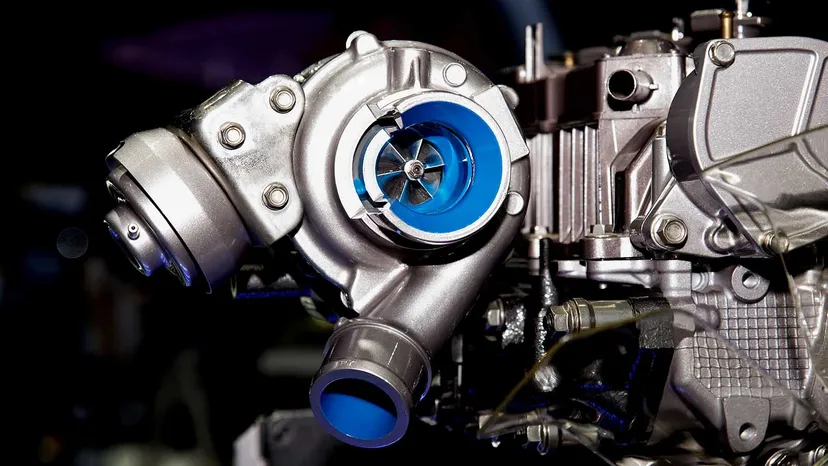
The Turbo Boom
In the last decade, turbos have gone from rare performance tech to everyday necessity. Even small hatchbacks now pack one, giving them big-engine power with small-engine fuel economy. But as great as they are, turbos don’t always last. Many fail before 100,000 km not because of bad engineering, but because of how they’re treated.
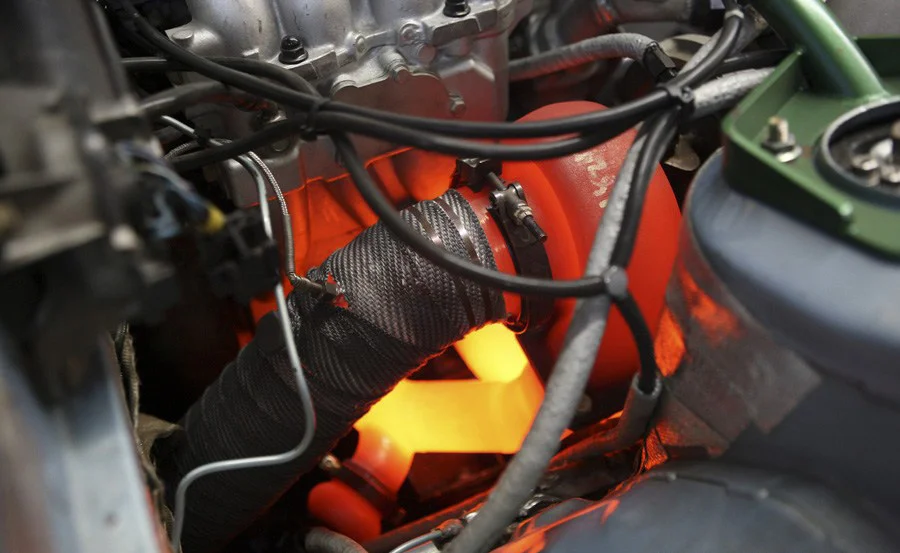
🔥 1. Heat Is the Turbo’s Worst Enemy
A turbo spins at over 200,000 RPM, driven by exhaust gases that can exceed 900 °C. That’s a tiny metal turbine sitting in a furnace. If you shut off the engine right after a hard drive, the oil inside stops circulating and it literally cooks in place. Over time, that creates oil coking (thick, burnt deposits) that choke the bearings and lead to early failure.
💡 Tip:
After spirited driving or highway runs, let the engine idle for 30–60 seconds before shutting it down. It allows the turbo to cool and oil to circulate.
🛢️ 2. Oil Quality Makes or Breaks It
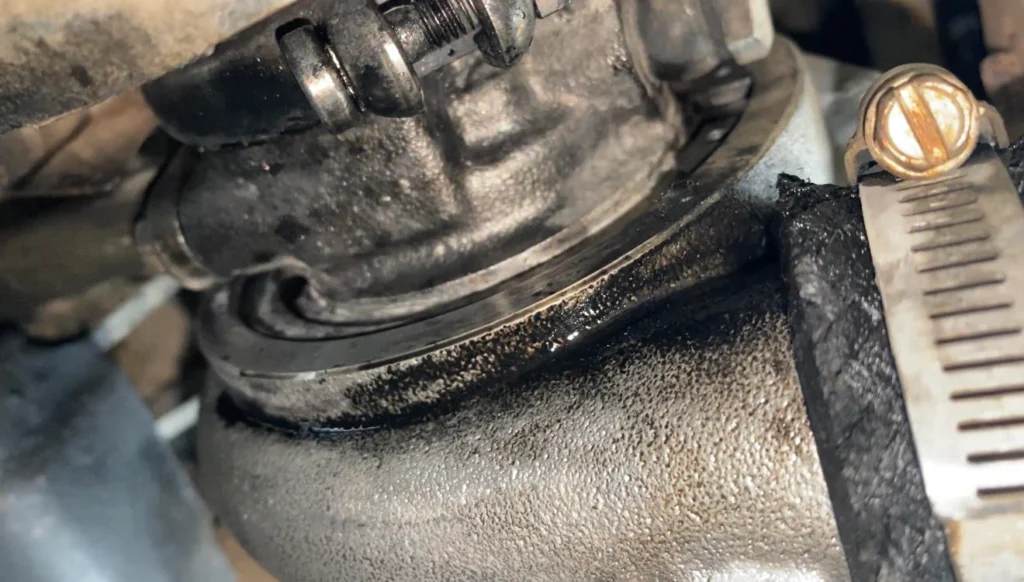
Turbos rely on a thin film of oil to keep the shaft spinning freely.
Dirty or old oil = metal-on-metal contact = death sentence.
Even missing an oil change or using the wrong viscosity can cause micro-damage that adds up fast.
That’s why manufacturers specify synthetic oil only for turbo engines — it resists high heat and doesn’t break down as easily.
💡 Tip:
Stick to 5,000–8,000 km oil change intervals, even if your manual says 10,000+.
It’s cheap insurance against a five-figure repair bill.
🌫️ 3. Cheap Air Filters and Leaks Kill Boost
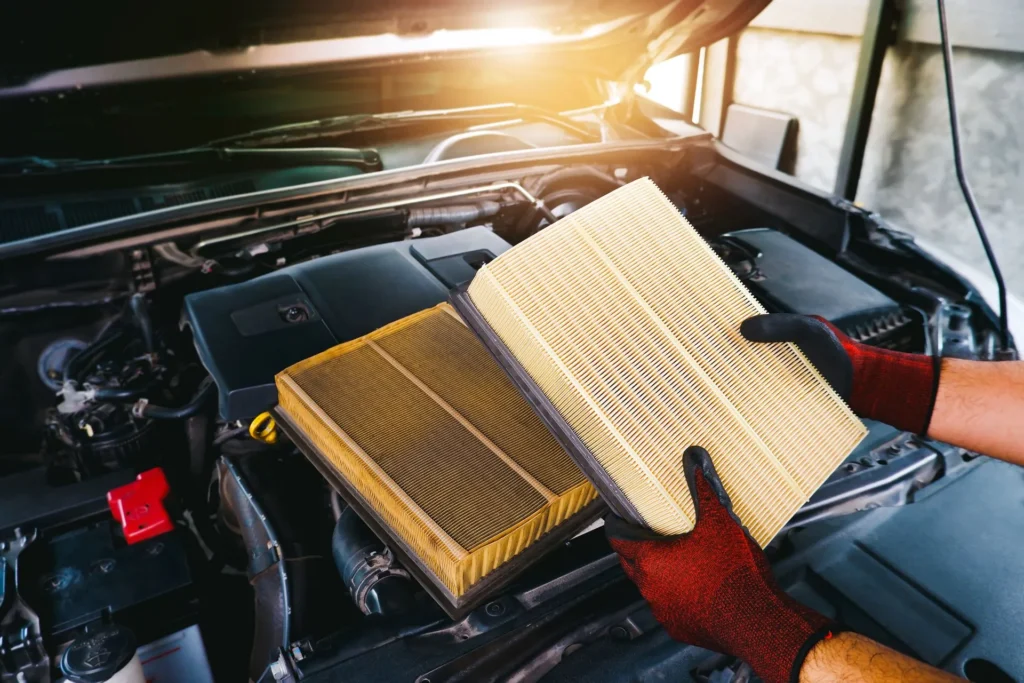
Your turbo compresses air, and any debris in that airflow hits it at jet-engine speeds. A cheap or neglected air filter can let dust particles damage the compressor blades, ruining efficiency. orse, a cracked intake pipe or loose clamp lets unfiltered air and dirt straight into the system. The result? Scored blades, imbalanced rotation, and power loss.
💡 Tip:
Use OEM or high-quality filters, and check your intake hoses every few months. One loose clamp can cost you a turbo.
⚙️ 4. Bad Driving Habits Shorten Life
Cold starts are brutal for turbos. The oil is thick, and it takes a minute to reach full pressure. Revving the engine early means your turbo spins without proper lubrication. Frequent short trips also hurt and the oil never gets hot enough to evaporate moisture, leading to sludge buildup.
💡 Tip:
Drive gently for the first 5 minutes after starting. Let everything warm up naturally.

🧯 5. The Tuning Temptation
Remapping your ECU for extra boost feels great until the turbo cries for help. Extra pressure means more heat and more stress on bearings, seals, and gaskets. Unless it’s done by a reputable tuner who adjusts fueling, timing, and cooling together, you’re asking for early retirement.
🧠 Quick Summary
| Problem | What Causes It | Prevention |
|---|---|---|
| Heat Damage | Shutting down too soon | Idle before stopping |
| Oil Failure | Skipped changes or wrong oil | Use synthetic, change often |
| Dirt Ingestion | Bad filters or leaks | Inspect & replace regularly |
| Cold Revving | No oil pressure yet | Gentle warm-up |
| Over-Tuning | Too much boost | Tune responsibly |
🚙 The Takeaway
Turbos aren’t fragile they just demand respect. With proper oil, cooling, and driving habits, a good turbo engine can easily outlast the car itself. Treat it like the precision instrument it is, and it’ll reward you with years of boost, torque, and grins.